
 +91-9811-911-675
 Email Us
What Are the Risk Factors for Developing Salivary Gland Cancer?
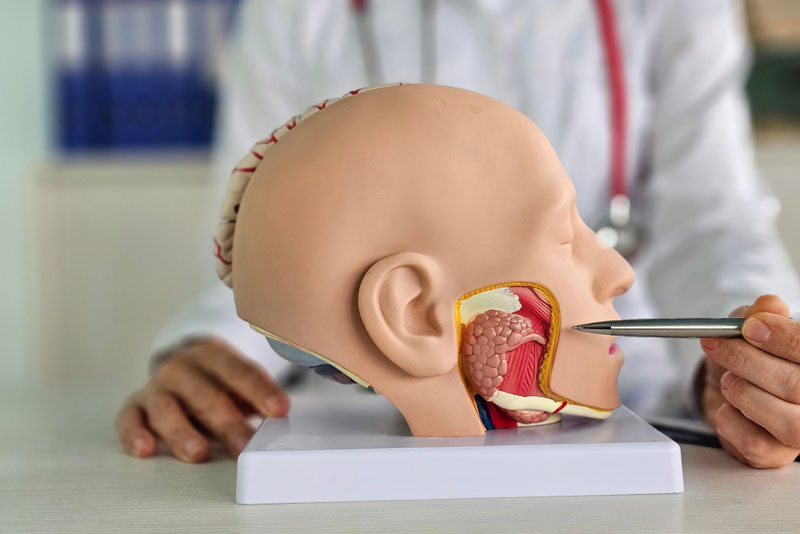
Salivary gland cancer is a rare condition, but understanding its risk factors can help in early detection and better outcomes. Many people are not even aware of the salivary glands or their role in the body until a problem arises. These glands produce saliva, which helps in digestion, keeps the mouth moist, and protects against infection.
salivary gland cancer does not usually have a single clear cause. Instead, it develops due to a combination of factors over time. Knowing these risk factors can help you stay alert and seek timely medical advice.
Age and Gender
One of the most common risk factors is age. Salivary gland cancers are more often seen in older adults, especially after the age of 50. Although it can occur in younger individuals, the chances increase with age. Some studies also suggest that men may have a slightly higher risk compared to women.
Radiation Exposure
Previous exposure to radiation, especially to the head and neck area, increases the risk of developing salivary gland cancer. This could include radiation therapy taken in the past for other medical conditions. Even though such treatments are carefully controlled today, past exposure still plays a role.
Tobacco and Alcohol Use
While the link is not as strong as in other head and neck cancers, tobacco use (smoking or chewing) may still increase the risk. Alcohol, especially when combined with tobacco, can further irritate tissues and may contribute to long-term damage.
Workplace and Environmental Exposure
People working in certain industries may have a higher risk due to exposure to harmful substances. These include:
- Rubber manufacturing
- Mining
- Construction work
- Exposure to dust, chemicals, or heavy metals
Long-term exposure to such environments can affect the glands and increase cancer risk over time.
Viral Infections
Certain viral infections have been linked to salivary gland cancers. For example, viruses that affect the immune system may increase the chances of abnormal cell growth. However, this is not a very common cause and usually works along with other risk factors.
Family History and Genetics
In most cases, salivary gland cancer is not hereditary. However, a family history of cancers or certain genetic conditions may slightly increase the risk. Still, this is considered a less common factor.
Poor Oral Health and Chronic Irritation
Long-standing irritation in the mouth, poor oral hygiene, or untreated dental issues may also play a role. Although not a direct cause, they can create an environment where abnormal changes are more likely over time.
When Should You Be Concerned?
Even if you have one or more risk factors, it does not mean you will develop cancer. However, you should be alert to certain symptoms such as:
- A lump or swelling near the jaw, cheek, or neck
- Pain or numbness in the face
- Difficulty opening the mouth or swallowing
- Facial weakness or asymmetry
If any of these symptoms persist, it is important to consult a specialist.
Salivary gland cancer is uncommon, but awareness makes a big difference. Most risk factors develop slowly over time, which means early attention and regular check-ups can help in timely diagnosis.
As Dr. Ravi Shankar explains, the goal is not to create fear but to encourage awareness. A healthy lifestyle, avoiding harmful habits, and paying attention to unusual symptoms can go a long way in protecting your health.
Category: Salivary Gland Cancer
Tags: Salivary Gland Cancer
Categories
Recent Posts
- Beyond the “One-Size-Fits-All” Approach to BRCA and Ovarian Cancer Prevention
- Life After Gynecological Cancer: Navigating the “Sudden Menopause”
- How Fast Does Oral Cancer Spread? A Simple Guide by Dr. Ravi Shankar
- Ovarian Cancer Surgery in India: Complete Guide for Patients
- Thyroid Cancer Diet: 5 Essential Tips for Faster Recovery – By Dr. Ravi Shankar